
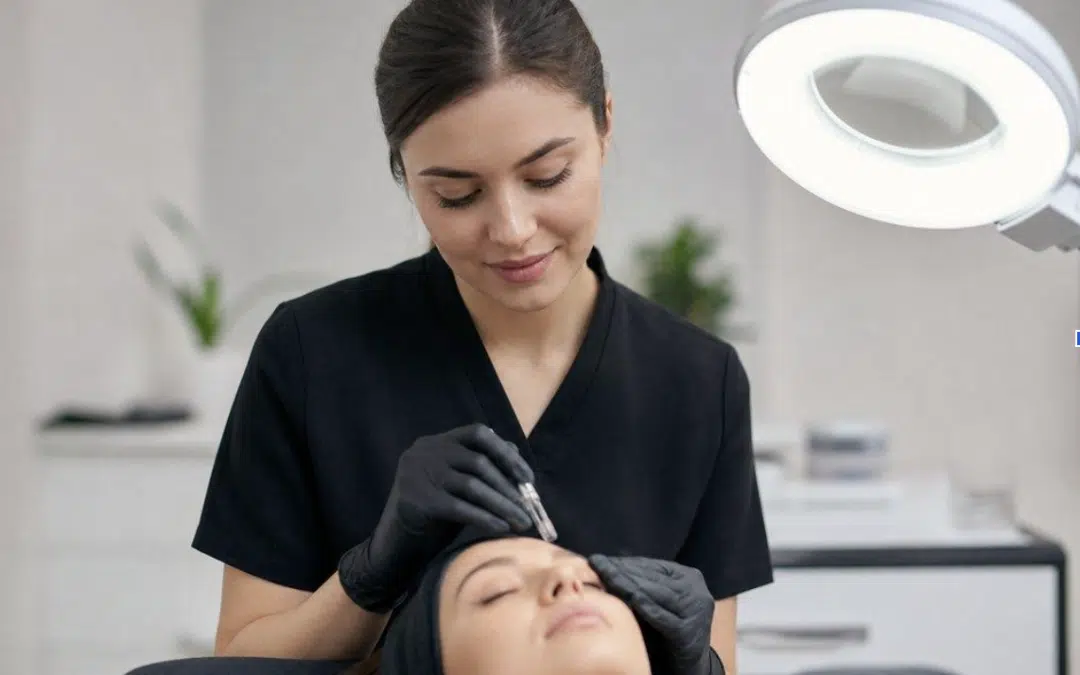
It can be easy to think of an aesthetic treatment as straightforward. The finished result may appear in a matter of minutes, but the knowledge to deliver that result involves more than just knowing the steps. It covers consultation, anatomy, hygiene, contraindications, product handling and communication.
This means choosing a training course is about more than selecting a trendy treatment or a flexible schedule. The most important factor is whether the course provides sound, transferable skills that you can draw on when the patient is more demanding than anticipated.
Instruction Quality Matters More Than Treatment Count
Aesthetic courses often promote an array of treatments, including skin care and chemical peels (click here), along with different types of injections. While a broad curriculum has its benefits, it does not necessarily imply high-quality instruction.
Examine the course description to see how they explain each procedure. High-level instruction will include an explanation of when a treatment should not be performed, when it might need to be deferred, and which factors might impact the outcome. They will focus on pre-treatment assessment as well as the treatment itself, rather than approaching the face as a collection of injection sites or zones.
Consider how much time is spent on the following:
- Anatomy and blood vessels
- Consultation, consent and documentation
- Contraindications and risk assessment
- Hygiene and infection control
- Treatment planning and aftercare
- Complications management and referral
A course that prioritises these fundamentals is more likely to equip students for real-world scenarios than those that focus solely on supervised treatments.
How Much Practical Experience Will You Get?
Practical experience is critical for many aesthetic treatments, especially those where injection site, angle, depth or product selection influences the result. But the term “hands-on” may vary widely between courses.
Check what kind of practical experience is included. Will you be watching, practising on mannequins, performing on models or carrying out treatments under observation? What is the student-to-instructor ratio? If there are too many students in a hands-on session, you may not get adequate feedback or the opportunity to ask questions.
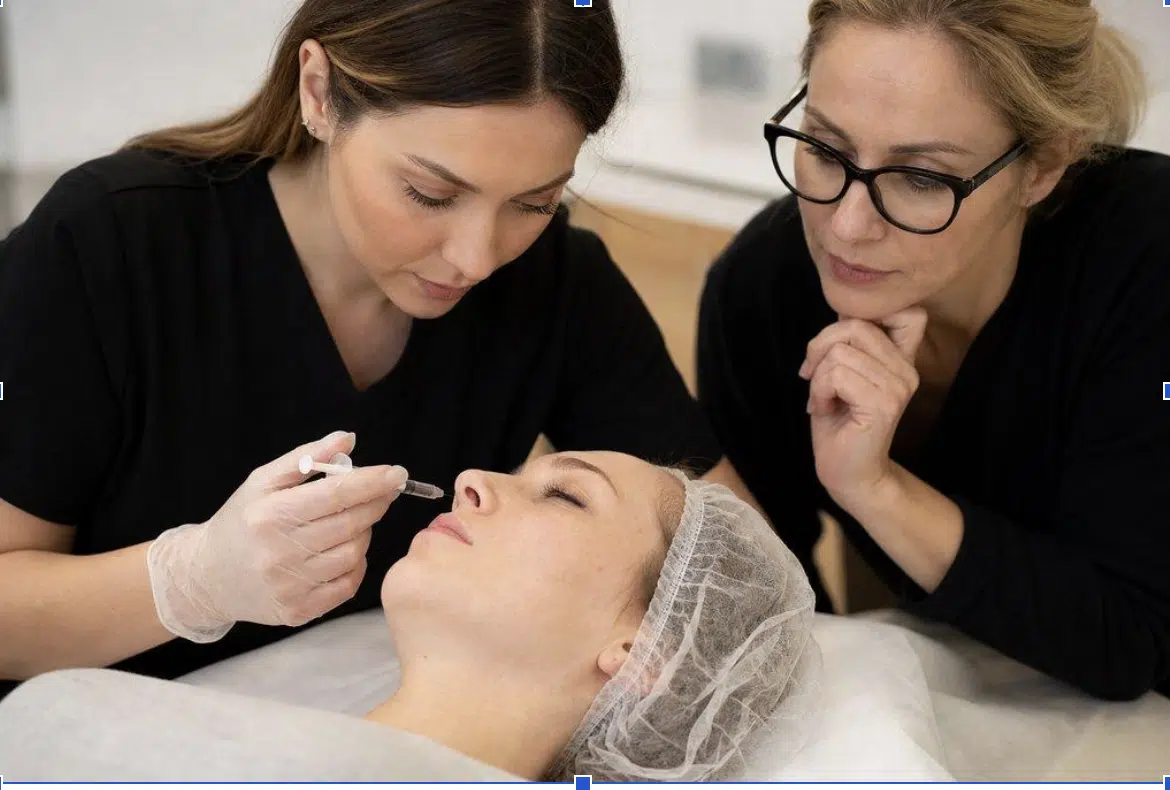
In the best learning environments, the student isn’t rushed through a procedure in order to check it off a list. Instead, students have time to evaluate the model, explain the desired outcome, properly prepare the site and review the treatment at the end. When comparing the top aesthetic training in London, the amount and quality of practical experience should be one of the key factors you consider.
There are additional considerations depending on the type of treatment. For instance, a skin allergy test may need to be completed 24-48 hours before the treatment takes place, meaning the patient may not be able to receive the treatment on the same day as the assessment.
Qualifications, Certification and Scope
Who qualifies to attend and what’s included after the course? Make sure that the course is right for you and your current level of qualification/experience before you pay anything, and check entry requirements, which should be clear for all procedures, and even more so for those that are more advanced or involve prescription-only products. It is important to note that simply completing the course does not mean you can source, prescribe, or administer every product that will be used during your aesthetic career. This is where vague course descriptions can be misleading and ultimately costly.
A good training provider will tell you what your certification allows you to do, what your insurance company expects of you and what else you will need to do before you can offer these treatments on your own. Depending on the procedure, this could involve securing access to an appropriate prescriber, completing further training or meeting specific licensing/premises requirements for your location.
So if the certificate is not the end of the line, what ongoing support will you receive while you complete the rest of the journey?
Consultation and Record-Keeping Skills

There is obviously value in being technically proficient, but the ability to know how to handle consultations properly is just as crucial and will protect you and your clients. The course should cover the skills needed to ask the right questions, identify clients with unrealistic goals and explain why certain things may not work for their situation.
You should learn how to say no when necessary, for example, if the client has contraindications related to past or present health issues, their skin type or condition, previous treatments, medications, age or pregnancy status, and whether the result they are looking for is actually achievable for them. You should never rush to meet short-term demand if the patient is unsuitable for the procedure.
The course should also include information about maintaining records, such as consent forms (https://www.nhs.uk/tests-and-treatments/consent-to-treatment/), written notes from treatment sessions, photographs (with consent) and written aftercare advice. These are not trivial tasks, as they help create a smooth experience for you and your client, as well as ensure you are accountable.
Support and Future Planning
Completing your training may feel like it marks the start of your aesthetic career, particularly if you are new to aesthetics. That is why it makes sense to consider whether the provider offers any kind of ongoing professional development or guidance while you are getting started. You should find out if there are any follow-up classes, workshops, mentorship opportunities, or online resources available to you.
It is also worth asking whether the training materials are easy to refer back to and apply when working with patients, including templates for consultations, aftercare, emergencies and treatment plans. Ideally, your training provider will want you to succeed, not to push you into treating patients for procedures you may not yet be qualified or experienced enough to perform safely.
Choose Your Aesthetic Course with Your Future in Mind
Ultimately, the best aesthetic training course for you is one that matches your current level of training while pushing you to meet higher standards for assessment, safety and client care. Don’t get distracted by quick turnaround times or impressive lists of procedures taught; focus instead on the amount of hands-on practice and the clarity of post-course requirements.
When you are deciding whether to pay a deposit for a course, write down the entry requirements, number of practical hours, provision of models, what the course certificates allow you to do, and what you will still need to do in order to treat patients independently.
